

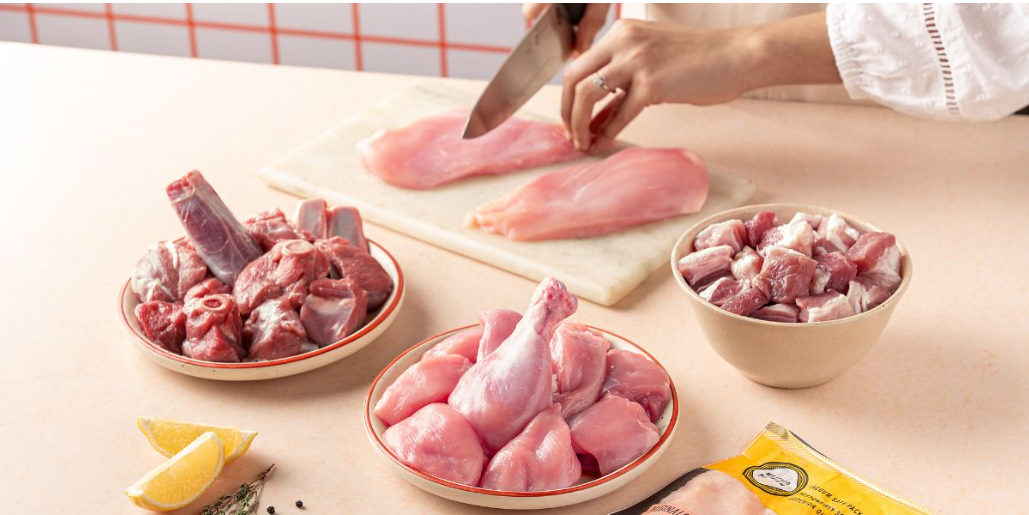
Cooking meat for the first time can feel a little intimidating. You want it juicy, flavourful, and cooked just right,but it’s easy to end up with something dry, tough, or underwhelming instead. If that sounds familiar, you’re not alone. Most people make a few beginner meat cooking mistakes when they’re just starting out.
The good news? These mistakes are easy to fix once you know what to look for. Whether you’re working with chicken, seafood, mutton, or pork, a few simple shifts can completely change your results. Think better texture, deeper flavour, and meals that actually feel worth the effort.
Let’s break down the most common mistakes,and how to get it right from your very first cook.
What Are The Biggest Beginner Mistakes?
When it comes to first-time cooking meat, most mistakes come down to rushing, guessing, or not understanding how meat behaves.
Here are the 10 most common meat mistakes beginners make:
1. Not Thawing Meat Properly
Cooking meat straight from frozen leads to uneven cooking,burnt outside, raw inside.
Tip: Always thaw in the fridge or under cold running water for even results.
2. Skipping Seasoning
Many beginners under-season, expecting sauces to do all the work.
Tip: Salt and basic spices before cooking help build flavour from within.
3. Overcrowding The Pan
Putting too much meat in one pan reduces heat and causes steaming instead of searing.
Tip: Cook in batches to get a proper sear and better texture.
4. Cooking On Very High Heat Throughout
High heat might seem faster, but it often dries out the meat.
Tip: Use high heat to sear, then reduce to medium or low to cook through.
5. Not Letting The Meat Rest
Cutting meat immediately after cooking releases all the juices.
Tip: Let it rest for 5,10 minutes so it stays juicy.
6. Guessing Doneness
Relying only on time or appearance can lead to overcooking or undercooking.
Tip: Learn basic doneness cues or use a thermometer if possible.
7. Using Inconsistent Quality Meat
Even perfect technique can’t fix poor-quality meat.
At Meatigo, we ensure consistent cuts, clean processing, and proper temperature control,so beginners start with meat that behaves the way it should in the kitchen.
8. Not Drying The Meat Before Cooking
Wet meat doesn’t sear,it steams.
Tip: Pat meat dry with a paper towel before cooking.
9. Adding Too Many Spices Too Early
Overloading spices at the start can burn them or mute flavours.
Tip: Build flavour gradually,start simple, then layer.
10. Rushing The Process
Good meat needs a little patience,especially cuts like mutton or pork.
Tip: Give it time. Better cooking isn’t faster,it’s smarter.
How do Timing, Thawing, Seasoning, And Resting Affect Results?
These four basics can make or break your dish.
Thawing
Proper thawing ensures even cooking. Frozen centres lead to uneven textures and inconsistent flavour.
Timing
Cooking too little leaves meat raw. Cooking it too long dries it out. Each meat type has its own sweet spot.
Seasoning
Seasoning isn’t just about taste,it enhances the natural flavour of the meat. Even a simple salt-and-pepper base can make a big difference.
Resting
This is often overlooked. Resting allows juices to redistribute, giving you tender, juicy meat instead of something dry.
When you get these four right, you’ll already be ahead of most beginners.
Why Do People Overcook Meat?
Overcooking is one of the most common Beginner Meat Cooking Mistakes.
And it usually comes from one thing,fear.
- Fear of undercooking
- Fear of food safety issues
- Uncertainty about doneness
So what do most beginners do? They leave the meat on the heat longer “just to be safe.” Unfortunately, that often leads to dry, tough results.
Here’s the shift:
Properly handled, fresh meat doesn’t need excessive cooking to be safe.
At Meatigo, we focus on hygienic sourcing and temperature-controlled delivery, so the meat you cook is clean and fresh to begin with. That confidence allows you to cook it just right,without overdoing it.
What Basic Tools Help?
You don’t need a fancy kitchen setup to cook meat well. A few basic tools can make a big difference:
- Heavy-bottom pan or skillet: Helps with even heat distribution
- Sharp knife: Makes prep easier and safer
- Tongs: Better control while cooking
- Meat thermometer (optional): Great for beginners to avoid guesswork
- Cutting board: Keeps things clean and organised
These tools don’t just make cooking easier,they help you stay in control, which is key when you’re learning.
The Difference Good Meat Makes
Here’s something many beginners don’t realise,your starting ingredient matters just as much as your cooking technique.
When meat is:
- Fresh
- Properly handled
- Consistently cut
…it cooks more evenly, absorbs seasoning better, and gives you predictable results.
At Meatigo, we focus on exactly that,making sure every cut you receive is clean, fresh, and ready to cook. So instead of troubleshooting your ingredients, you can focus on improving your cooking.
Conclusion
Making a few Beginner Meat Cooking Mistakes is completely normal when you’re starting. From thawing and seasoning to timing and resting, each step plays a role in how your final dish turns out.
The key is to keep things simple, pay attention to the basics, and give yourself the time to learn. With the right approach, and the right ingredients, you’ll quickly move from uncertainty to confidence in the kitchen.
Because great meat dishes aren’t about perfection. They’re about understanding the process, enjoying the cooking, and knowing that every meal is getting better than the last.




Leave a Reply