
You did everything right.
The spices were on point, the gravy smelled incredible, and it looked exactly how it should. And then you took a bite… and the Mutton was chewy.
If that sounds familiar, you’re not alone. Figuring out why Mutton turns chewy is one of the most common frustrations in home cooking. But the good news is, it’s not random. There are very specific reasons behind it, and once you understand them, getting perfectly tender Mutton becomes much easier.
Why Does Mutton Become Chewy?
At its core, Mutton is naturally firmer than meats like chicken. That’s what gives it its rich flavour, but it also means it needs a different approach while cooking.
Most of the time, chewiness happens when the meat hasn’t been given enough time to cook, or when it’s exposed to high heat too quickly. Instead of softening, the fibres tighten up, and that’s what leads to that tough texture. Understanding this is the first step in solving why Mutton turns chewy.
Does the Cut Matter?
The cut you choose plays a much bigger role than most people realise. When you’re learning how to make Mutton tender, starting with the right cut makes everything easier.
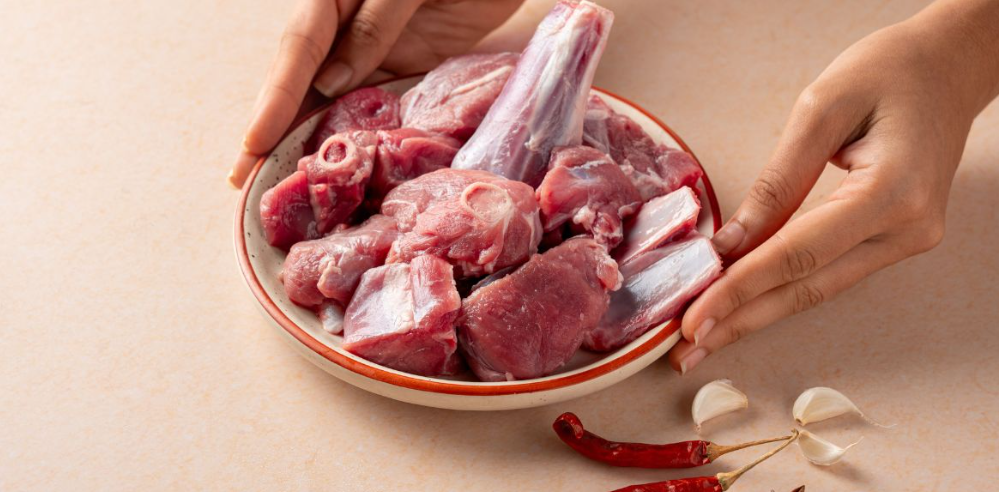
Pieces from the shoulder or a well-balanced curry cut tend to cook more evenly and stay juicy, especially when they include bone. Bone-in cuts help retain moisture and add flavour during cooking. On the other hand, very lean or unevenly cut pieces can cook inconsistently, which often leads to some parts turning soft while others remain tough.
This is also where quality comes in. Consistently cut, properly cleaned meat behaves more predictably while cooking. At Meatigo, Mutton is hygienically processed, evenly cut, and vacuum-packed, which helps remove a lot of this inconsistency from the start.
How Do Marination, Heat, and Cooking Time Affect Tenderness?
Tender mutton isn’t about one step, it’s about getting a few key things right together.
Marination plays an important role in softening the meat. Even a simple mix of yoghurt, ginger-garlic paste, salt, and spices helps break down the fibres and improve texture. You don’t need anything elaborate here, even a short marination makes a noticeable difference.
Heat control is just as important. Cooking Mutton on very high heat can actually make it tougher, as the outer layer cooks too quickly while the inside remains firm. A slower, more controlled heat allows the meat to gradually soften and develop better texture.
Then comes cooking time, the most important factor of all. Mutton needs time for its connective tissues to break down properly. Rushing this process is the biggest reason why Mutton turns chewy. When given enough time, the same meat becomes soft, juicy, and full of flavour.
Pressure Cooker vs Slow Cooking
Both methods work well, but they serve different purposes.
A pressure cooker is ideal when you want quicker results. It softens the Meat faster and is a great option for everyday meals or when you’re short on time. For beginners, it’s often the easiest way to get consistent results.
Slow cooking, on the other hand, takes more time but builds deeper flavour and gives you a richer texture. This method works especially well for dishes where you want the Mutton to feel more indulgent and well-developed.
The key thing to remember is that both methods work, as long as the meat is given enough time to become tender.
What Are the Top Mutton Cooking Mistakes?
Most issues with chewy Mutton come down to a few common mistakes.
Stopping the cooking process too early is one of the biggest ones. If the meat hasn’t softened yet, it simply needs more time. Cooking on high heat throughout can also make the texture worse instead of better.
Skipping marination, using uneven cuts, or rushing the process are all things that can affect the final result. Even small details like not letting the meat rest after cooking can impact how it feels when you eat it.
Once you’re aware of these, they’re easy to avoid.
How to Make Mutton Tender Every Time
If you’re looking for reliable tender Mutton tips, it really comes down to a few simple habits.
Choosing the right cut, allowing time for marination, cooking on controlled heat, and most importantly, giving the meat enough time, these are the things that make the biggest difference.
You don’t need complicated techniques. You just need consistency in how you approach it.
Why Quality Makes a Difference
Even the best technique works better when the ingredient is right.
Good Mutton should cook evenly, soften properly, and have a clean, rich flavour. When the meat is handled well from the beginning, everything else becomes easier.
At Meatigo, Mutton is hygienically processed, cleaned in-house, and vacuum-packed to maintain freshness. The cuts are consistent, which means you don’t have to deal with unpredictable cooking results.
So when you’re cooking, you’re starting from a place that already supports you.




Leave a Reply