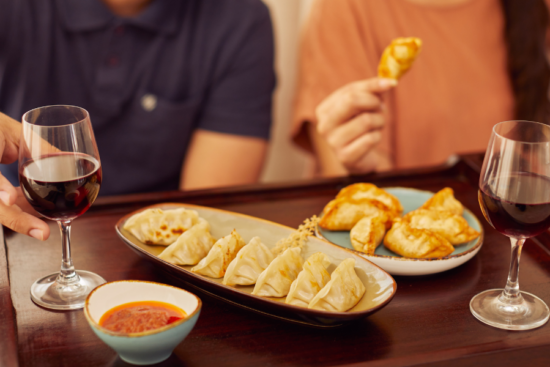

There is a specific kind of frustration that comes from cooking frozen momos badly. You had reasonable expectations. They looked fine going in. And then came the outcome: torn wrappers, rubbery skin, filling that tasted like it had been steamed in a cloud of regret.
The momos were almost certainly fine. The method is usually the issue.
Meatigo by Prasuma makes ready-to-cook frozen momos with filling that has already been seasoned and a wrapper that was shaped properly before it was frozen. By the time it reaches your freezer, the hard work is done. What remains is cooking — and cooking frozen momos well is mostly about getting a few things right.
Cook from frozen, not from the counter
The most common mistake is thawing momos before cooking them. When a momo sits out at room temperature, the wrapper softens unevenly, moisture starts to collect inside the packet, and the filling begins to loosen. This is how you get torn momos that leak into the steamer or pan and then stick to everything.
Cook from frozen. It sounds counterintuitive, but frozen momos hold their shape better during cooking. If yours are packed tightly and stuck together, let the packet sit for two or three minutes — just enough to separate them without forcing anything. Frozen dough tears if rushed.
Try our Vegetable & Paneer Momos.
Steam method: the original, and still hard to beat
Steaming is how momos were designed to be eaten. The wrapper goes translucent, the filling stays moist, and the whole thing holds together into something that tastes like effort even though it was not.
Start with a proper rolling boil before the momos go in. Water that is barely simmering means the wrapper will cook slowly, turning gummy rather than soft. Line the steamer tray with parchment paper or a lightly oiled cloth — momos stick to bare metal and bamboo surfaces and will tear when you try to lift them.
Leave small gaps between each momo. They expand a little as they steam, and if they are touching, they will merge and pull apart when separated. Cover the steamer with a tight lid and leave it alone. Every time you lift the lid, steam escapes and the temperature drops. One check midway is fine. Five checks is how you end up with undercooked momos after double the expected cooking time.
When the momos slide off the tray without sticking, they are ready. Serve right away. A momo left uncovered for five minutes after steaming is a noticeably lesser experience.
Pan-fry method: crispy base, soft top
This is how Chinese potstickers are made, and the same technique applies to momos. The result is a crisp golden bottom and a steamed top — two textures from one method, and genuinely worth the extra step.
Heat a flat-bottomed pan on medium and add a thin layer of oil. Once hot, place the frozen momos flat-side down, leaving space between them. Let them sit untouched for two to three minutes, until the bottom browns. Then add a splash of water — about two to three tablespoons — and cover the pan immediately. The water creates steam that cooks the top while the bottom continues to crisp against the pan.
Once the water has completely evaporated, remove the lid. You will hear a clear sizzle when it is done. Give it another thirty seconds before releasing the momos with a flat spatula. Do not rush this — the crispy base needs time to set or it stays in the pan.
Try our Spicy Chicken Momos.
Air fryer method: fastest, least fuss
The air fryer does not replicate steaming or pan-frying, but it makes a serviceable momo quickly and with minimal cleanup. The wrapper comes out slightly drier and crisp all over — which some people actually prefer for an evening snack.
Preheat the air fryer, brush the frozen momos lightly with oil, and arrange them in a single layer. Turn them halfway through cooking so both sides get colour. Serve them right out of the basket.
This method is best on weeknights when speed matters more than texture precision. It also works well when you are cooking other things simultaneously and want momos going without babysitting.
The dip is doing more work than you think
Momo filling is designed to be relatively subtle — the wrapper is a neutral base, and the dip carries a large share of the overall flavour. If you skip a proper dip, you will likely find the momos underwhelming even when cooked correctly.
Chilli garlic sauce is the standard, and it is standard for good reason. Soy-vinegar with sliced ginger is sharper and cleaner. Peanut-sesame sauce adds body and makes the plate more filling. Green chutney with a few drops of soy sauce and lime is an Indian-kitchen approach that works surprisingly well, especially with chicken momos.
Whatever you use, have it ready before the momos are done. Hot momos cool quickly and the dip should be waiting.
Meatigo by Prasuma momos are made to be cooked well, which means they respond to correct technique. Once you find your preferred method — steamed for the classic experience, pan-fried for texture contrast, air-fried for speed — every batch from the freezer becomes repeatable and predictable in the best way.