
Walk into the gourmet section of any premium grocery store or browse the Meatigo app, and you will inevitably encounter two cheeses that look almost identical: Brie and Camembert. Both come in elegant little rounds, both boast a powdery, stark white rind, and both promise a gooey, creamy interior. For the curious Indian foodie looking to build a sophisticated cheese board, this creates an immediate dilemma.
Which one should you buy? Are brie camembert simply different names for the same thing? If you have ever felt confused standing between these two French classics, you are not alone. While they are close cousins in the dairy world, they have distinct personalities, flavor profiles, and culinary uses.
The Problem: The Visual Confusion
The primary barrier for consumers is that, to the untrained eye, Brie and Camembert are visually indistinguishable. This leads to arbitrary purchasing decisions. A customer might buy Camembert expecting the mild, buttery sweetness of Brie, only to be surprised by its intense, earthy funk. This flavor mismatch can be disappointing and might deter a first-time buyer from experimenting with soft cheeses again.
Without a clear guide explaining the nuances of camembert cheese vs brie, buyers cannot make an informed choice that suits their specific palate or the recipe they are trying to execute. Although brie and camembert share several characteristics, their differences become clearer when you look at their origins, flavor, texture, and culinary uses.
The Solution: A Clear Profile Comparison
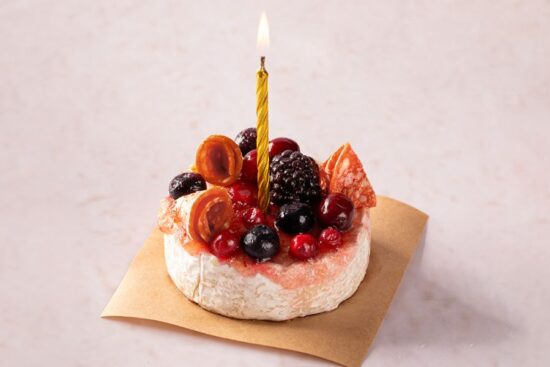
At Meatigo, we carry both premium Brie (Denmark) and Artisanal Camembert Cheese, ensuring they reach you at the perfect stage of ripeness.
To help you choose with confidence, we break down the subtle but crucial differences in origin, production, and most importantly, taste. By understanding what sets them apart, you can confidently select the right wheel for your next wine pairing or baked appetizer.
Understanding camembert vs brie is particularly useful when you are shopping for a specific occasion. While both are soft-ripened French cheeses with edible white rinds, their taste and texture can create very different experiences.
Origin and Size: The Historical Difference
Both cheeses originate from northern France, but from different regions. Brie is much older, hailing from the Île-de-France region, and was traditionally made in massive wheels (up to 17 inches across), which is why it is often sold in wedge slices.
Camembert, created centuries later in Normandy, has always been produced in small, distinct, uniform wheels (about 5 inches across). Meatigo ensures both are crafted using traditional techniques to honor these origins.
Therefore, when looking at brie camembert as a category, it is important to remember that their similar appearance does not mean they have the same history or production traditions. Each cheese has its own regional identity and characteristics.
The Taste Test: Mild Butter vs. Earthy Funk
Here is where the real difference lies. Brie is the gentler of the two. Cream is often added to Brie during production, giving it a higher fat content. This results in a refined, buttery, and slightly sweet flavor with very mild hints of fresh mushrooms. It is a universal crowd-pleaser and highly approachable.
Camembert Cheese, on the other hand, is bolder. It does not have added cream, resulting in a slightly lower fat percentage but a much more intense, rustic, and earthy flavor. It is often described as having notes of wild mushrooms, garlic, and even a hint of barnyard funk.
If Brie is smooth jazz, Camembert is a robust symphony.
This is why the camembert cheese vs brie comparison becomes particularly noticeable when both are tasted side by side. Brie generally delivers a softer, buttery profile, whereas Camembert offers a stronger earthy character.
Texture: Runny vs. Dense
Because of its added cream, the interior (pâte) of a ripe Brie tends to be runnier, oozing beautifully when cut at room temperature.
Camembert vs Brie is also an interesting comparison when texture is considered. Camembert, while still incredibly soft and creamy, maintains a slightly denser, springier core that holds its shape a bit better when sliced.
Both cheeses are soft-ripened and have edible white rinds. However, their final texture can vary depending on ripeness and serving temperature.
For anyone exploring brie and camembert for the first time, allowing the cheese to come closer to room temperature before serving can help reveal its intended texture and flavor.
Meatigo Cheese Recipe Pairings: What to Cook
Your choice between the two should be dictated by what you intend to do with them. Because Brie (Denmark) is milder and sweeter, it is the absolute best candidate for sweet-and-savory baking.
Encase a wheel of our Brie in puff pastry with a layer of caramelized onions or fruit preserves, and bake until golden for a spectacular, crowd-pleasing dessert-appetizer hybrid.
Because Artisanal Camembert Cheese is robust and earthy, it stands up beautifully to savory, robust flavors. Score the top of a Camembert wheel, insert slivers of fresh garlic and sprigs of rosemary, drizzle with olive oil, and bake until molten. Dip crusty sourdough directly into it.
If you are making sandwiches, slide cold cuts like turkey or ham alongside our Brie; the creamy texture pairs beautifully with savory ingredients. Meanwhile, if you are building a bold charcuterie board with spicy salamis and strong red wine, let the Camembert take center stage.
Ultimately, camembert vs brie depends on the flavor and texture you want from your dish. Brie can work beautifully when you want a gentle, buttery cheese, while Camembert can bring a stronger earthy character to a dish.
Whether you choose Brie, Camembert Cheese, or enjoy brie and camembert together on a beautifully arranged cheese board, both can bring a distinctive French-inspired touch to entertaining and everyday meals.



Leave a Reply